
Popular Tree Removal Products Every Professional and DIY Enthusiast Needs
Discover reliable and effective tools that make tree removal easier, safer, and more efficient for any project size.
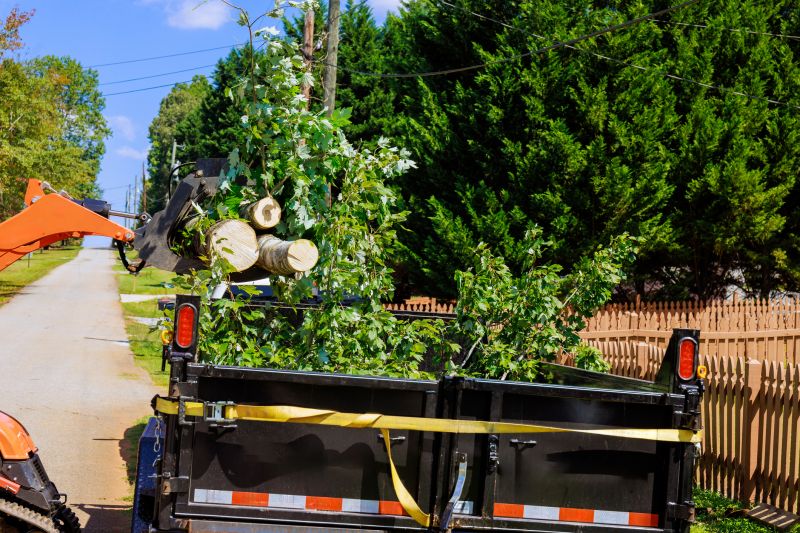 Tree removal is a task that often requires specialized equipment to ensure safety and efficiency. Whether managing dead or hazardous trees, clearing space for construction, or maintaining landscape aesthetics, selecting the right tools is essential. From manual hand tools to powered devices, the variety of products available caters to different scales of removal projects and user experience levels. Proper equipment can help facilitate safer procedures, reduce physical strain, and improve overall effectiveness.
Top Overall Option
Multi-Purpose Tree Removal Tool Set
A comprehensive set that includes various hand tools such as pruning saws, loppers, and pole pruners, designed for versatility in tree maintenance and removal tasks. This type of product provides a range of options for different tree sizes and removal situations, making it suitable for homeowners and professionals alike. Its ergonomic design and durable construction contribute to safer and more efficient work, especially when handling smaller to medium-sized trees.
Types of Products For Tree Removals
Chainsaws
Powerful saws designed for cutting through large branches and trunks, available in gas, electric, and battery-powered options.
Pole Pruners
Extendable tools that allow for pruning and cutting high branches without the need for ladders.
Hand Pruning Saws
Manual saws ideal for detailed pruning and small branch removal.
Loppers
Long-handled cutting tools suitable for trimming thick branches within reach.
Ropes and Pulley Systems
Assist in controlled lowering of large branches or entire trees.
Hydraulic Tree Lifts
Heavy-duty equipment used for lifting and supporting large trees during removal.
Safety Gear
Protective helmets, gloves, eye protection, and chainsaw chaps to ensure user safety.
Stump Grinders
Machines designed to grind down remaining stumps after tree removal.
Aerial Lifts
Elevated platforms for reaching high branches or trees in hard-to-access areas.
Debris Chippers
Equipment for chipping branches and wood debris on-site for easier disposal.
Tree Felling Wedges
Tools used to guide the direction of falling trees safely.
Cable and Winch Systems
Assist in pulling or repositioning trees or heavy limbs.
Portable Sawmills
Tools for milling felled trees into lumber on-site.
Tree Removal Kits
All-in-one kits that include various tools needed for small to medium tree removals.
Climbing Gear
Harnesses, spikes, and ropes for professional climbers managing large or difficult trees.
Stump Removal Chemicals
Chemical solutions that accelerate decomposition of remaining stumps.
Popular Choices
Battery-powered saws favored for their portability and ease of use in small to medium tasks.
Popular for trimming high branches safely from the ground.
Handheld saws frequently chosen for precision pruning and small limb removal.
Widely used for cutting thick branches within reach.
Common safety gear for protecting against falling debris and chainsaw accidents.
Preferred for their efficiency in removing stumps after tree felling.
Popular for guiding the fall direction of large trees.
Favored for reaching high branches safely in professional and large-scale projects.
Commonly used for on-site disposal of branches and wood waste.
Essential for professional arborists managing large or complex trees.
Popular for pulling or repositioning heavy limbs or trees.
Chosen for their ease of use in small-scale stump removal.
Preferred for quick, detailed pruning tasks.
Common in professional tree removal for lifting and supporting large trees.
Popular among hobbyists and professionals for artistic and detailed work.
Often used for controlled lowering of large branches.
Popular accessories for organizing tools during tree work.
When considering tree removal products, it is important to evaluate factors such as the size and type of trees involved, the terrain of the removal site, and the user's familiarity with the equipment. For larger trees, heavy-duty tools like chainsaws and hydraulic lifts are often necessary, whereas smaller or more delicate tasks might be better suited to manual tools like pruning saws or pole pruners. Safety gear and accessories also play a vital role in protecting users during these potentially hazardous activities.
Investing in quality tools can make tree removal projects more manageable and less time-consuming. It is advisable to choose equipment that offers durability, ease of use, and appropriate safety features. Proper training and adherence to safety protocols are equally important to prevent accidents. Overall, selecting the right products for tree removal depends on the specific requirements of the job, the environment, and the user's experience level, ensuring a safe and efficient process every time.
Key Buying Considerations
- Tree size and type: Ensure the equipment matches the scale and species of trees involved.
- Power source: Decide between gas, electric, or battery-powered tools based on mobility and convenience.
- Safety features: Look for safety guards, automatic shutoffs, and protective gear compatibility.
- Ease of use: Consider user experience and whether the equipment is suitable for beginners or professionals.
- Durability and build quality: Opt for tools made from high-quality materials for longevity.
- Weight and maneuverability: Lighter tools reduce user fatigue and improve handling.
- Maintenance requirements: Check how easy it is to service and maintain the equipment.
- Accessories and attachments: Compatibility with additional tools can enhance versatility.
- Budget constraints: Balance cost with features and durability for long-term value.
- Environmental conditions: Consider weather resistance and suitability for your local climate.
- Legal and safety regulations: Ensure compliance with local safety standards and regulations.
- Storage and portability: Evaluate storage options and whether the equipment is portable for on-site work.
- Availability of replacement parts: Ensure easy access to parts for repairs and maintenance.
- Brand reputation and reviews: Research user feedback to gauge reliability and performance.
- Training and support: Consider availability of training resources or customer support services.
This content may contain affiliate links. Purchasing through these links supports our work at no additional cost to you.